
Indoor vs Outdoor vs Climate-Controlled Car Storage: Which One Is Actually Worth Your Money?
- February 1, 2026
- Vehicle Storage
- 2 mins read
If you’re thinking about storing your car, one question comes up almost immediately:
Is premium car storage actually worth the extra cost — or will a cheaper option do the job just fine?
With options ranging from basic outdoor storage to fully climate-controlled facilities, choosing the wrong one can cost you far more in the long run. This guide breaks down indoor, outdoor, and climate-controlled car storage so you can decide what’s genuinely worth your money — and what isn’t.
Outdoor Car Storage: The Cheapest Option (and the Biggest Compromise)
Outdoor storage is usually the most affordable and widely available option. Your vehicle is parked in a secure yard or compound, often behind gates and monitored by CCTV.
Pros
- Lowest monthly cost
- Easy access and flexible contracts
- Suitable for short-term storage
Cons
- Full exposure to weather (rain, frost, sun, bird droppings)
- Higher risk of cosmetic wear
- Not ideal for long-term storage
Is it worth the money?
Outdoor storage can make sense for daily drivers, work vehicles, or cars being stored temporarily. However, if you care about paintwork, seals, or resale value, the savings may be false economy.
Indoor Car Storage: Better Protection Without Going Overboard
Indoor storage places your vehicle inside a warehouse, garage, or storage unit. It offers a solid middle ground between cost and protection.
Pros
- Protection from rain, frost, and UV exposure
- Lower risk of corrosion and cosmetic damage
- More stable environment than outdoor storage
Cons
- Higher cost than outdoor storage
- Temperature and humidity may still fluctuate
- Quality varies widely between facilities
Is it worth the money?
For most car owners, yes. Indoor storage is ideal for enthusiast cars, weekend vehicles, and longer-term storage without stepping into premium pricing.
Climate-Controlled Car Storage: The Gold Standard
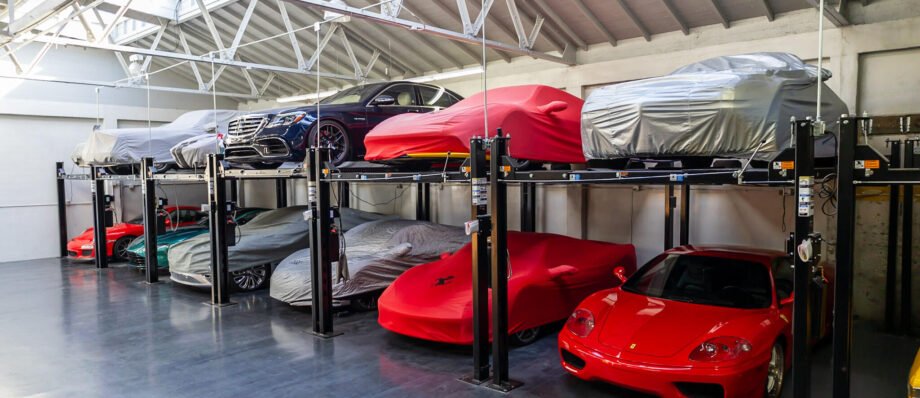
Climate-controlled storage regulates temperature and humidity, offering maximum protection. These facilities are often used for classic cars, supercars, and high-value vehicles.
Pros
- Prevents rust, mould, and condensation
- Ideal for long-term or high-value storage
- Often includes trickle charging and maintenance options
Cons
- Most expensive option
- Overkill for many vehicles
- Limited availability in some locations
Is it worth the money?
If you’re storing a classic car, luxury vehicle, or something you rarely drive, climate-controlled storage is often worth every penny. For everyday cars, it’s usually unnecessary.
So… Which One Is Actually Worth Your Money?
Here’s a simple way to decide:
- Outdoor storage → Short-term storage, low-value or daily-use vehicles
- Indoor storage → Most car owners, longer-term storage, better peace of mind
- Climate-controlled storage → Classic, collectible, luxury, or investment vehicles
The real cost isn’t the monthly fee — it’s the damage, depreciation, and repair bills that come from choosing the wrong storage type.
Finding the Right Car Storage Near You
Not all car storage facilities are created equal. Security standards, access rules, and storage conditions can vary massively — even within the same category.
That’s why Store My Ride exists: to help you compare car storage options in one place, filter by storage type, and choose a facility that actually fits your needs and budget.
Final Thought
Paying less upfront doesn’t always mean saving money. When it comes to car storage, the right option is the one that protects your vehicle properly for how long — and how valuable — it really is.