
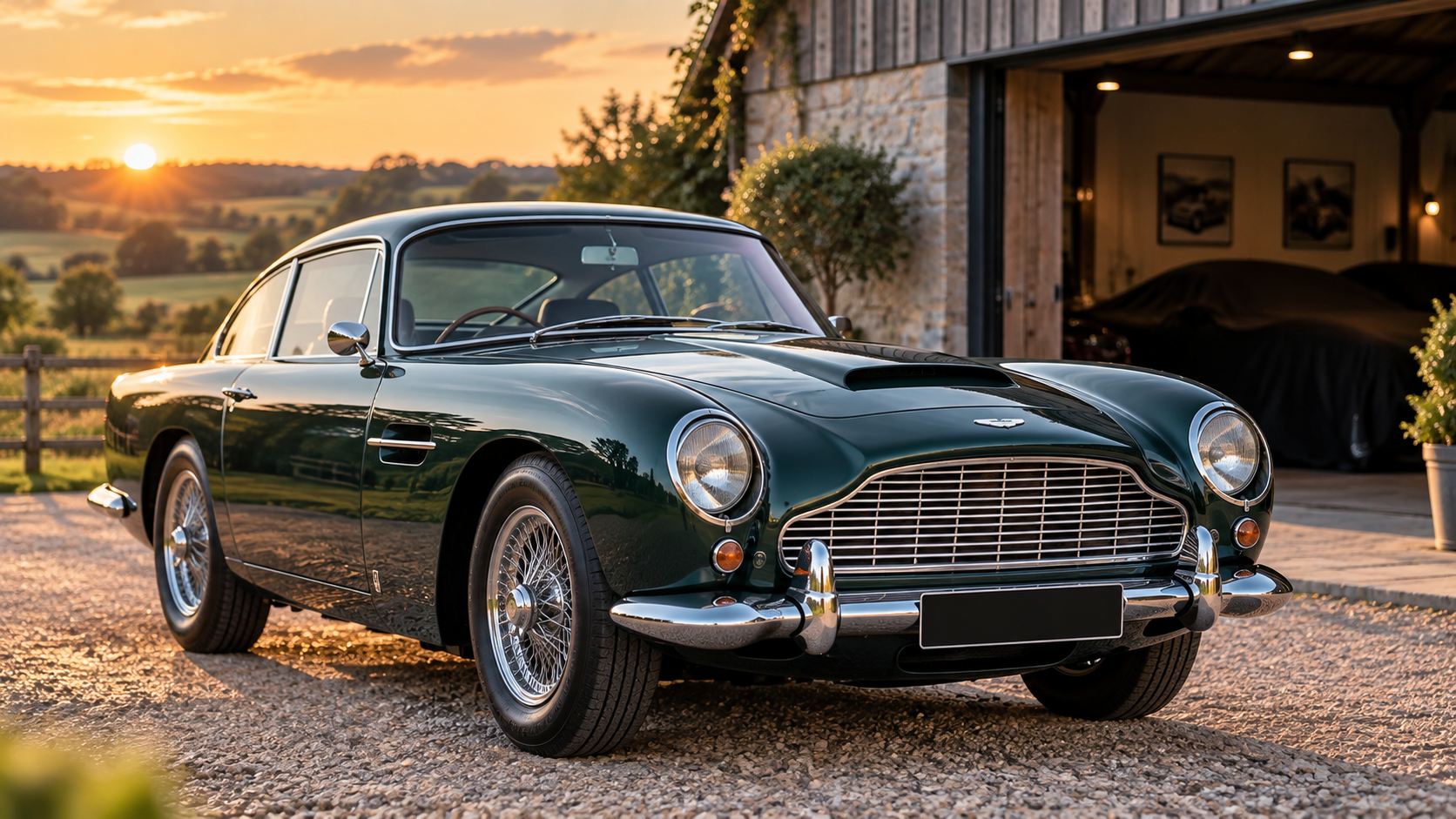
Owning a classic car is about far more than simply having another vehicle. Whether it's a treasured family car, a restoration project, a rare collector's model or an appreciating investment, keeping it in the best possible condition is an important part of ownership.
Unfortunately, classic cars can be particularly vulnerable when they're left unused for extended periods. Moisture, changing temperatures, sunlight, battery deterioration and incorrect storage can all cause problems.
Choosing the right classic car storage can help protect your vehicle, preserve its condition and ensure it's ready to enjoy when you next take it out on the road.
In this guide, we'll explain what to look for in a classic car storage facility, how to prepare your vehicle for storage and why professional storage could be worthwhile for your car.
Why Is Proper Classic Car Storage Important?
Modern cars are generally designed to cope with being left outside throughout the year. Classic and historic vehicles can require considerably more care.
Older vehicles may have less effective corrosion protection, ageing seals and materials that are more susceptible to moisture and temperature changes.
A classic car that's driven relatively infrequently can therefore spend the majority of its life parked.
Where and how you store it matters.
Good storage isn't simply about finding somewhere to park your car. The aim is to create an environment that helps protect its bodywork, interior and mechanical components while reducing unnecessary deterioration.
1. Keep Your Classic Car Dry
Moisture is one of the biggest concerns when storing a classic vehicle.
Damp conditions can contribute to corrosion on bodywork, chassis components and other metal surfaces. Moisture trapped inside the vehicle can also lead to condensation, unpleasant odours and deterioration of interior materials.
For this reason, indoor classic car storage is particularly attractive to owners of valuable or cherished vehicles.
However, simply putting a car inside a building doesn't automatically mean the environment is ideal. Ventilation and humidity should also be considered when comparing storage facilities.
Some specialist providers offer climate-controlled classic car storage, where environmental conditions are managed more carefully.
2. Protect the Paintwork and Interior
Sunlight, dust, dirt, moisture and contaminants can gradually affect a vehicle's appearance.
Prolonged UV exposure can contribute to fading of paintwork and interior materials, while dirt left sitting on paint can make maintaining the vehicle more difficult.
Storing your classic car indoors significantly reduces its exposure to the elements.
A suitable breathable car cover can provide an additional layer of protection against dust, although it's important to use a cover designed for vehicle storage rather than simply covering the car with plastic or another non-breathable material.
3. Consider Security Carefully
Classic cars can be highly desirable and, in some cases, extremely valuable.
Security should therefore be one of your main considerations when choosing secure classic car storage.
Storage facilities may offer features such as CCTV, alarms, gated access, controlled entry, perimeter security, lighting and on-site personnel.
The level of security varies between providers, so don't assume that every facility offers the same protection.
Ask the storage provider what security measures are in place and confirm any requirements imposed by your vehicle insurer.
4. Use a Battery Conditioner
One of the most common problems with cars that aren't driven regularly is a flat battery.
Even when switched off, vehicles can continue drawing a small amount of electrical power. Over a sufficiently long period, this can discharge the battery.
Many specialist classic car storage providers offer access to battery conditioners or trickle chargers designed to maintain the battery during storage.
The correct solution will depend on your particular vehicle and battery, so follow the recommendations of the vehicle and battery manufacturers.
5. Look After the Tyres
Leaving a vehicle stationary for extended periods can also affect its tyres.
Tyre pressures should be checked before putting the car into storage and periodically thereafter.
For particularly long periods of storage, owners may also want to discuss measures to reduce the possibility of tyre flat-spotting with their vehicle specialist or storage provider.
Always follow appropriate manufacturer guidance for your particular vehicle and tyres.
6. Clean the Car Before Storage
It can be tempting to drive your classic car into storage and simply leave it there until spring.
A thorough clean beforehand is a better approach.
Wash the exterior to remove dirt and contaminants and ensure the vehicle is properly dried before being stored. Pay attention to areas where dirt and moisture can accumulate.
Clean the interior as well and remove any food, rubbish or unnecessary items.
Putting a clean, dry vehicle into a suitable storage environment gives you the best possible starting point for long-term storage.
7. Don't Forget About the Interior
Classic car interiors can be just as important as the exterior.
Leather, wood, fabric and other period materials may be difficult or expensive to replace, particularly if you're trying to maintain the originality of the vehicle.
Keeping the car away from direct sunlight can help reduce UV exposure, while maintaining an appropriate storage environment can help protect against excessive damp.
For particularly valuable or rare vehicles, ask prospective storage facilities how environmental conditions are managed.
8. Think About Fuel and Fluids
Before storing a classic car for a long period, consider having its fluids and mechanical condition checked.
The appropriate preparation will vary considerably depending on the vehicle, its age and how long it will be stored.
A classic vehicle specialist can advise on oil, coolant, fuel and other maintenance requirements for your particular car.
This is especially worthwhile if the vehicle is going to remain unused for several months.
9. Should a Classic Car Be Started During Storage?
You'll sometimes hear that stored cars should be regularly started and allowed to idle.
In reality, the correct approach depends on the vehicle.
Simply starting a car briefly without allowing it to reach appropriate operating conditions may not necessarily be beneficial.
Some specialist classic car storage facilities offer vehicle maintenance programmes that may include periodic inspections or running procedures appropriate to the vehicle.
If you're unsure, follow the advice of the manufacturer or a specialist familiar with your particular classic car.
10. Check Your Insurance
Never assume that your existing insurance automatically covers every storage arrangement.
Before putting a valuable classic into storage, tell your insurer where the vehicle will be kept and confirm any security requirements or restrictions.
Some insurers may have specific requirements concerning storage facilities, security systems or access.
The storage provider should also be able to explain its own insurance arrangements and what responsibilities remain with the vehicle owner.
Indoor vs Outdoor Classic Car Storage
For many everyday vehicles, secure outdoor storage can be perfectly suitable.
Classic cars are different.
If your priority is preserving the condition of a cherished or valuable classic, indoor car storage will generally offer greater protection from rain, frost, sunlight and other environmental conditions than outdoor storage.
Covered storage provides an alternative between the two, offering some protection from the weather without completely enclosing the vehicle.
For particularly rare, valuable or sensitive vehicles, you may want to consider specialist climate-controlled or humidity-controlled storage.
Ultimately, the right choice depends on your vehicle, budget, storage period and how much protection you require.
What Is Climate-Controlled Classic Car Storage?
Climate-controlled vehicle storage is designed to manage environmental conditions within the storage area.
Depending on the facility, this might involve controlling temperature, humidity or both.
For certain classic and collector vehicles, managing humidity can be particularly valuable because excessive moisture can contribute to corrosion and deterioration.
Not every classic car needs climate-controlled storage, however.
When comparing providers, ask exactly what they mean by "climate controlled" and what environmental conditions are actually monitored or maintained.
What Should You Look for in a Classic Car Storage Facility?
When searching for classic car storage near you, don't choose a facility based purely on price.
Consider the overall storage environment and the level of service offered.
Important factors can include:
Indoor, covered or outdoor storage
CCTV and security arrangements
Controlled access
Alarm systems
Humidity or climate control
Battery conditioning
Vehicle inspections
Tyre monitoring
Cleaning and detailing services
Vehicle transportation
Collection and delivery
Access arrangements
Insurance requirements
If possible, visit the facility before committing your car.
Seeing where your vehicle will actually be stored can tell you far more than photographs alone.
How Much Does Classic Car Storage Cost?
The cost of classic car storage varies significantly depending on location, facility type, security and the services included.
Basic secure storage will typically cost less than specialist indoor or climate-controlled storage.
Additional services such as battery conditioning, detailing, regular inspections, transportation and vehicle preparation may also affect the price.
When storing a particularly valuable classic, the cheapest option isn't necessarily the best value.
Consider the value of the vehicle you're protecting and compare the facilities and services offered rather than focusing solely on the monthly storage price.
Long-Term Classic Car Storage
If you're storing a vehicle for several months or even years, preparation becomes even more important.
Long-term storage may be useful if you're working overseas, moving home, reducing the number of vehicles kept at your property or simply preserving a car that's only used occasionally.
A specialist long-term classic car storage facility may be able to provide ongoing monitoring and maintenance services while you're away.
Make sure you understand how frequently the vehicle will be inspected, how quickly you can retrieve it and whether there are additional charges for preparing it for collection.
Is Professional Classic Car Storage Worth It?
For a valuable or cherished classic, professional storage can offer much more than somewhere to park.
The right facility can provide improved security, protection from the weather and an environment better suited to preserving a vehicle that spends significant periods off the road.
It can also remove the inconvenience of keeping a rarely used vehicle at home.
Most importantly, good storage can become part of the overall maintenance and preservation strategy for your classic car.
Find Classic Car Storage Near You
Finding somewhere suitable to store a classic car can take time, particularly if you're looking for specialist facilities rather than conventional parking.
Store My Ride makes the search easier.
Discover and compare vehicle storage providers offering classic car storage, secure indoor car storage, covered storage, long-term vehicle storage and specialist storage for collector cars.
Whether you own a cherished weekend classic, restoration project, historic vehicle or valuable collector's car, find storage that suits your vehicle and requirements.
Search Store My Ride to find classic car storage near you and help protect your investment for the road ahead.